

Okay, so check this out—I’ve been messing around with Solana wallets for a while now, and something felt off about relying solely on hot wallets for staking and managing my NFTs. Seriously, with all the DeFi action on Solana, you’d think hardware wallets would be a no-brainer by now. But nope, most folks still treat them like some dusty relic from the Bitcoin days.
Here’s the thing. When you’re juggling a portfolio that includes staking SOL, DeFi tokens, and NFTs, security isn’t just a luxury—it’s essential. Your wallet’s security directly impacts your entire portfolio. I remember the first time I tried integrating a hardware wallet with Solflare—it was a bit of a headache, honestly. But once I got the hang of it, it was a game changer.
At first, I thought hardware wallets were just for hardcore crypto veterans or those hodling bitcoin stacks. But then I realized Solana’s ecosystem—fast and cheap as it is—actually craves that extra layer of security. Because, well, when you’re staking SOL, locking up your tokens for rewards, or managing those sweet NFTs, you don’t want to risk a random phishing attack wiping you out.
Something that bugs me though is how clunky the integration can be. On one hand, software wallets like Solflare are super user-friendly, but on the other, without hardware support, you’re exposing your private keys more than you might realize. I’ll be honest—at first, I was hesitant about juggling another device. But syncing my Ledger with Solflare changed my perspective. It felt like putting my portfolio inside a digital Fort Knox while still enjoying seamless DeFi access.
Whoa! Did you know you can directly manage NFTs from your hardware wallet connected to Solflare? That blew my mind. I used to think NFTs were just browser-based frills, but having them secured on a hardware wallet makes a huge difference in peace of mind—especially if you’re holding rare pieces or collectibles that aren’t easy to replace.
Now, portfolio tracking in this setup? It’s a mixed bag. Hardware wallets don’t inherently track your portfolio’s value or show real-time data. But combining the hardware wallet’s security with Solflare’s intuitive interface lets you get the best of both worlds. You still get a slick dashboard for your staking rewards, token balances, and NFT gallery, while your keys stay offline.
Initially, I thought managing all this would be a real pain—switching back and forth, dealing with multiple apps. Actually, wait—let me rephrase that. The trick is finding a wallet interface that natively supports hardware wallets while also offering robust portfolio and NFT management. Solflare nails that balance better than most. (Oh, and by the way, if you want to check out how to download and set this up, click here—it’s pretty straightforward.)
Hmm… there’s a subtle trade-off here. Hardware wallets add friction—you have to physically approve transactions. That can slow you down when you want to jump on a DeFi opportunity quickly. But honestly, I’m okay with that. It’s better than scrambling to recover lost funds after a hack. My gut says that as Solana’s ecosystem matures, the convenience gap will shrink, making hardware wallets a no-brainer for most users.
One thing I keep telling people is to never underestimate the value of a cold wallet when dealing with staking. When you delegate SOL, you’re essentially trusting someone with your tokens, even if it’s a validator. Hardware wallets help you keep control and verify everything securely. It’s like having a bouncer at the door while you party inside the DeFi club.
Check this out—
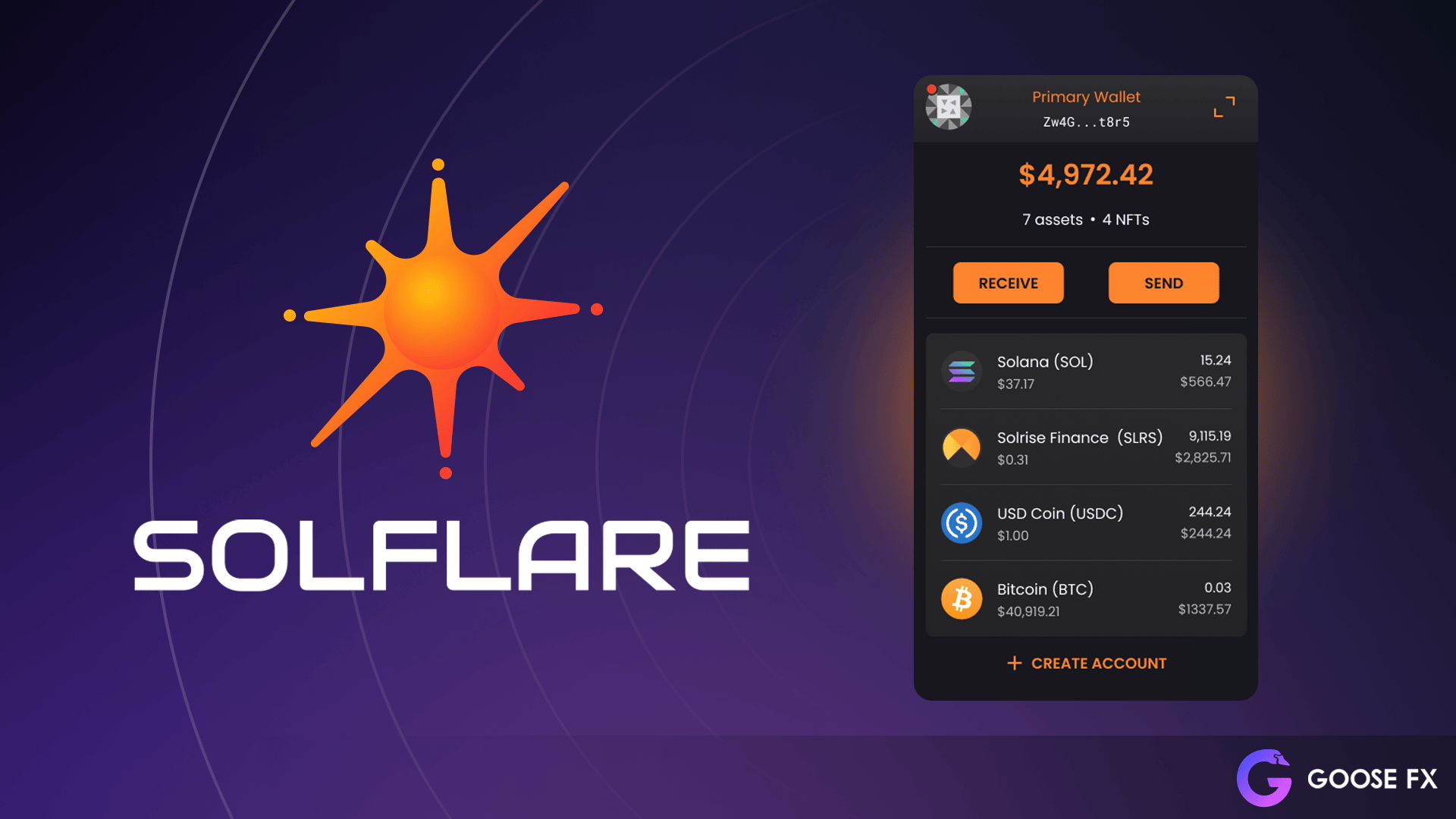
What really surprised me was how well NFTs are handled. Managing NFTs directly through a hardware wallet doesn’t just mean safer storage. It also means you’re less likely to get phished during those flashy minting events or auctions. Since NFTs can be high-value and unique, it’s very very important to protect those keys.
On the flip side, portfolio tracking still feels a bit lacking if you want deeper analytics or cross-chain support. But honestly, for the average Solana user diving into staking and NFTs, Solflare’s combo with hardware wallets covers the essentials beautifully.
Here’s a quick personal tip: if you’re new to hardware wallets, start small. I did some tiny test transactions before moving my whole SOL stash over. It’s a bit like learning to drive on quiet streets before hitting the freeway. That way, you don’t freak out if you mess up—because trust me, the first time you interact with hardware wallets, the tactile button presses and screen confirmations feel like rocket science.
Why Hardware Wallets Aren’t Going Anywhere in Solana’s Future
Something else I keep wondering about is whether software wallets will eventually get so secure they make hardware wallets obsolete. On one hand, advances in secure enclaves and multi-factor auth are impressive. Though actually, physical isolation of private keys—what hardware wallets do—remains unmatched for security.
The reality is, as more folks stake SOL and dive into DeFi, their portfolios grow complex. You want a single interface that tracks everything, sure. But you also want to sleep at night knowing your private keys haven’t been compromised by some zero-day exploit. Hardware wallets offer that peace of mind.
My instinct says that the best approach is hybrid: use hardware wallets for securing large holdings and high-value NFTs, while software wallets handle day-to-day interactions and quick trades. That’s how I do it. It’s a little extra work, but the trade-off is worth it.
Also, it’s worth mentioning that Solflare’s dedication to integrating hardware wallets is unique among Solana wallets. Many wallets still don’t support hardware devices seamlessly, which is why I keep nudging people to try Solflare. Plus, their setup guide is super user-friendly—find it here if you want to dive in yourself.
To wrap this thought up—actually, I hate wrapping up—let me just say that if you care even a little about your crypto security, hardware wallets are still very very relevant. They’re not just for the Bitcoin maximalists or old-schoolers. They’re for anyone serious about staking, managing NFTs, or tracking a growing portfolio on Solana.
Honestly, the only thing that bugs me is that the UX can still be a bit intimidating for newcomers. Hopefully, the next wave of Solana wallets will make hardware wallet integration feel as natural as using your phone’s biometric unlock. Until then, patience and practice pay off.
Anyway, if you want to explore this yourself, Solflare’s hardware wallet support is a solid place to start. You can get the download and setup info here. Give it a shot—you might find it’s the missing puzzle piece for your Solana experience.